Russia Interference & the Mueller Report
Russian interference in 2016, the Trump campaign’s contacts with Russia, and the question of “collusion” and obstruction of justice
From May 2017 to March 2019, Special Counsel Robert Mueller investigated two things: the Russian government’s interference in the 2016 election, and whether anyone associated with the Trump campaign coordinated in that interference or later obstructed the investigation.
The investigation established that Russia interfered “in sweeping and systematic fashion” to help Trump win, and that the campaign “expected it would benefit” from that interference. It did not establish a criminal conspiracy between the campaign and the Russian government — a legal finding often shorthanded as “no collusion,” though “collusion” is not itself a crime. On obstruction, the report explicitly did not exonerate Trump, laying out ten episodes for Congress to weigh.
How Russia Interfered
Mueller’s investigation produced two sets of indictments against Russian operatives, documenting two parallel attacks on the 2016 election.
Internet Research Agency (IRA)
13 Russians + 3 entitiesIn February 2018 Mueller indicted the St. Petersburg troll farm and 13 of its operatives for a years-long information-warfare campaign — fake American personas, divisive social-media content, and staged rallies — designed to sow discord and, by 2016, to support Trump and disparage Clinton.
GRU Military Intelligence
12 officersIn July 2018 Mueller indicted 12 officers of Russia's GRU military-intelligence agency for hacking the Democratic National Committee, the DCCC, and the Clinton campaign chairman John Podesta, then releasing the stolen emails through fronts like 'DCLeaks,' 'Guccifer 2.0,' and WikiLeaks.
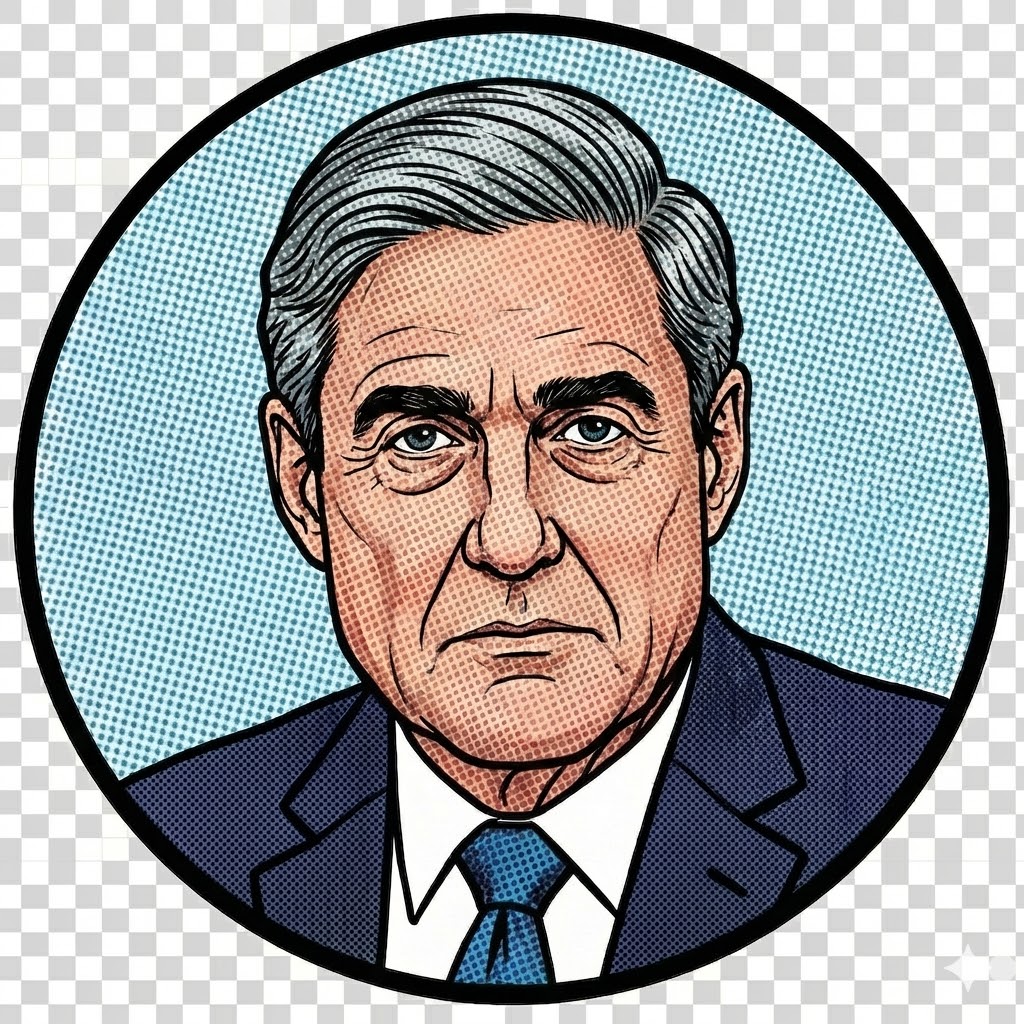
The Mueller Investigation
Robert S. Mueller III — decorated Marine, former FBI Director (2001–2013), appointed Special Counsel May 17, 2017
Deputy Attorney General Rod Rosenstein appointed Mueller after Trump fired FBI Director James Comey. Over 22 months, the investigation issued more than 2,800 subpoenas, executed nearly 500 search warrants, and interviewed about 500 witnesses. It produced indictments or guilty pleas from 34 individuals and 3 companies.
“If we had had confidence that the President clearly did not commit a crime, we would have said so. We did not, however, make a determination as to whether the President did commit a crime.”— Robert Mueller, public statement, May 29, 2019
Indictments, Pleas & Convictions
Six of Trump’s closest associates were convicted or pleaded guilty. Several were later pardoned or had their sentences commuted by Trump.
Volume I — “Collusion” & Conspiracy
Volume I addressed whether the campaign criminally conspired with Russia. Mueller was careful: “collusion” is not a legal term. The report assessed whether there was a chargeable conspiracy—an agreement to break the law.
- •The report documented numerous contactsbetween Trump campaign figures and Russia-linked individuals — including the June 2016 Trump Tower meeting, arranged on the promise of Russian government “dirt” on Clinton.
- •It found the campaign “expected it would benefit electorally” from the Russian hack-and-leak operation.
- •But it did not establish that members of the campaign criminally conspired or coordinatedwith the Russian government — a finding Mueller noted was complicated by witnesses who lied, deleted communications, and used encrypted apps.
Volume II — Obstruction of Justice
Mueller declined to make a traditional prosecutorial judgment, citing a DOJ Office of Legal Counsel opinion that a sitting president cannot be indicted. Instead he documented ten episodes for Congress to evaluate.
Firing FBI Director James Comey
Trump fired Comey on May 9, 2017 and the next day told Russian officials in the Oval Office that firing the 'nut job' had relieved 'great pressure.' Two days after the firing, Trump told NBC's Lester Holt: 'When I decided to just do it, I said to myself, I said, you know, this Russia thing with Trump and Russia is a made-up story.' The White House's original cover story — that Trump was following a DOJ recommendation — was contradicted by Trump's own on-camera words.
Ordering the firing of Mueller himself
In June 2017 Trump directed White House Counsel Don McGahn to have the Special Counsel removed, citing three conflicts of interest. McGahn called other White House officials, told them Trump had 'gone crazy,' and prepared to resign rather than carry out the order. The episode was first reported by the New York Times in January 2018 and confirmed by the Mueller Report.
Pressuring McGahn to deny the order
After the Times published the firing-order story, Trump pressed McGahn twice to issue a public denial and to create an internal White House record falsely stating that Trump had never ordered Mueller's removal. McGahn refused both times, telling colleagues that what Trump was asking him to do was not accurate. The Report said the conduct bore on consciousness of guilt.
Attempting to curtail the investigation's scope
In late July 2017 Trump dictated a message intended for then-recused Attorney General Jeff Sessions that would have directed him to limit the investigation to future election interference only — explicitly excluding any examination of Trump's own campaign. Sessions did not carry out the instruction. Mueller found this reflected an effort to use the DOJ to protect the President.
Conduct toward Flynn, Manafort, and Cohen
Mueller examined a pattern across all three witnesses: Trump praised those who refused to cooperate ('brave'), attacked those who did ('rats'), and through intermediaries floated the possibility of pardons while cases were pending. On Twitter Trump called Cohen a 'rat' and praised Manafort for not 'breaking.' After Flynn pleaded guilty, Trump tweeted on Dec. 2, 2017: 'I had to fire General Flynn because he lied to the Vice President and the FBI' — an admission that appeared to show the President knew Flynn had lied to the FBI before asking Comey to 'let this go.'
More than 1,000 former federal prosecutors later signed an open letter stating the conduct described in Volume II would have produced obstruction charges against anyone who was not a sitting president.
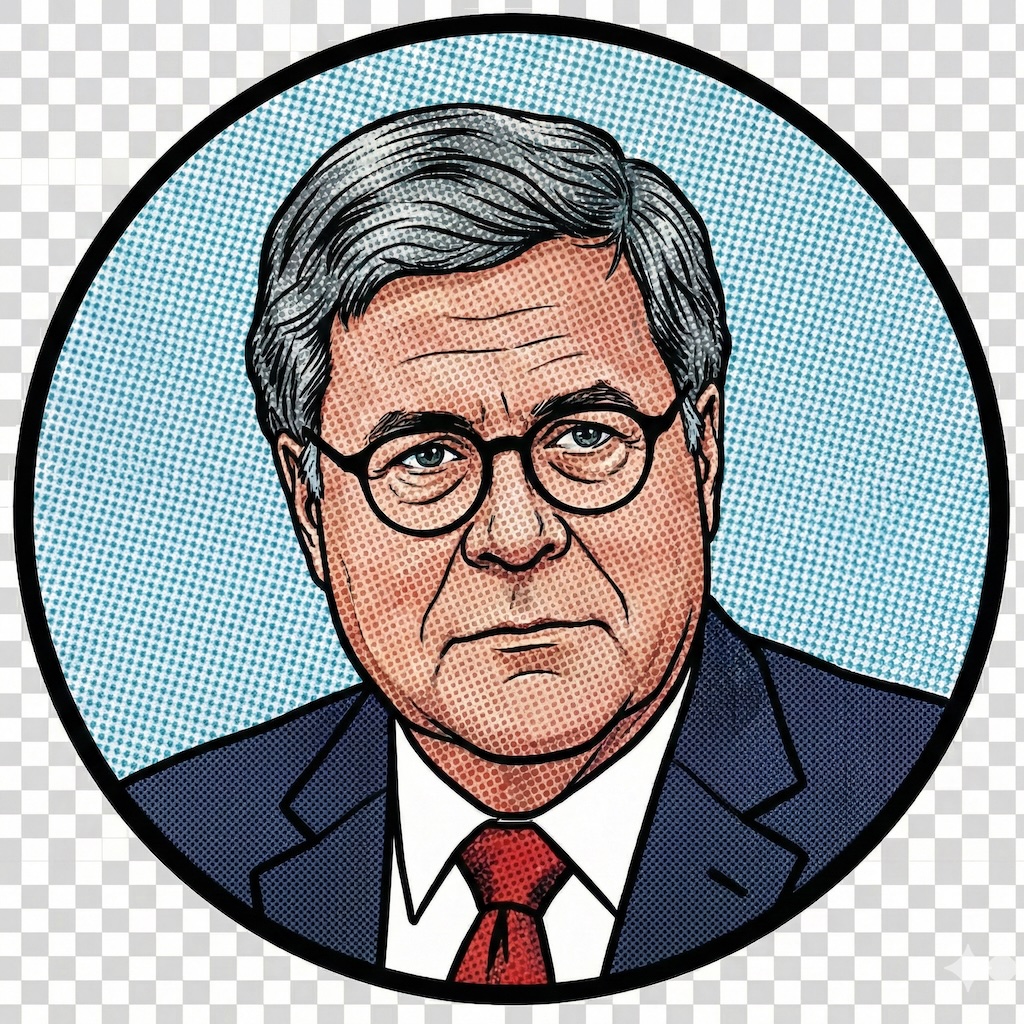
Barr’s Framing vs. the Report
Attorney General William Barr controlled the narrative for nearly a month before the public saw the report
On March 24, 2019 — before releasing the report — Barr issued a four-page letter declaring there was no collusion and that he, not Mueller, had decided there was no obstruction. Mueller objected in writing that Barr’s summary “did not fully capture the context, nature, and substance” of the work and had created “public confusion.” In March 2020, U.S. District Judge Reggie Walton said Barr’s handling was “distorted” and “misleading” and warranted skepticism of his candor.
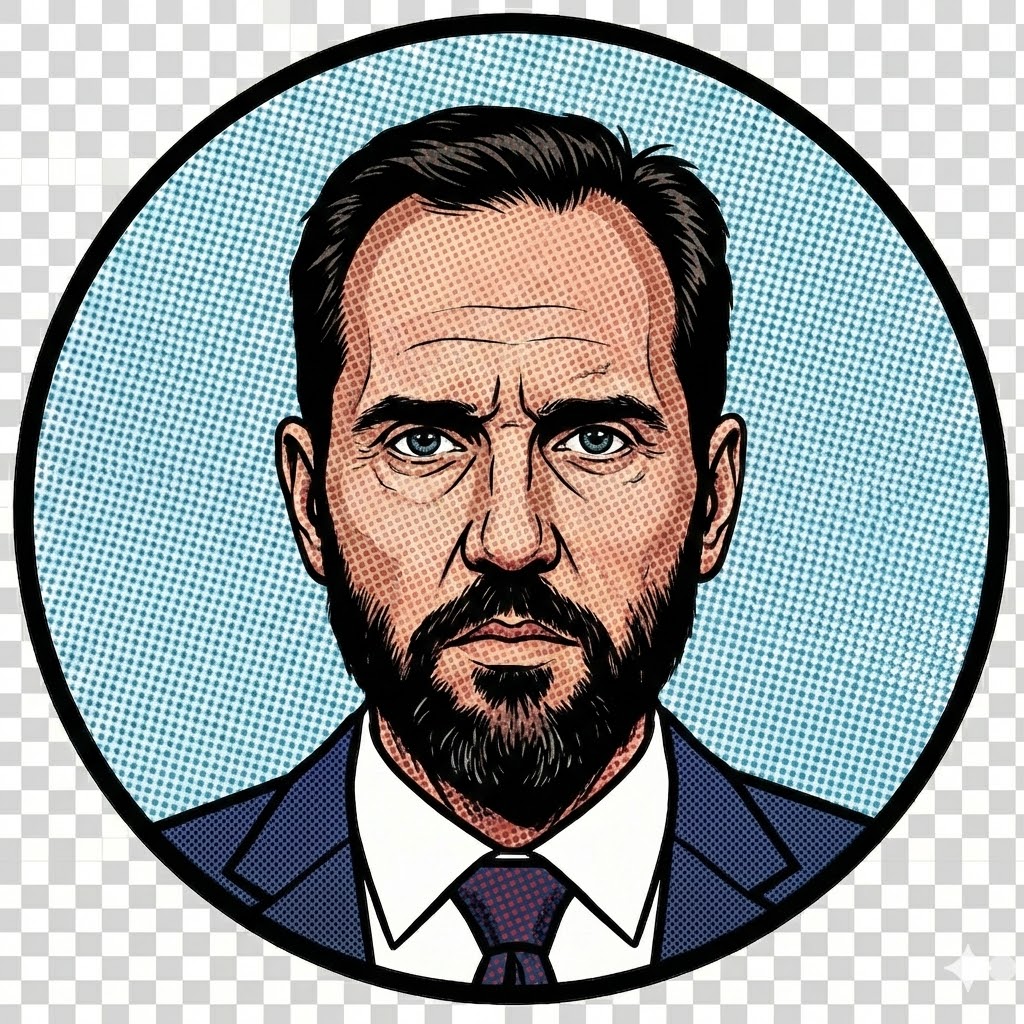
The Special-Counsel Lineage: Mueller to Jack Smith
A different special counsel, a different set of cases — but the same accountability mechanism
Mueller’s probe was the first of two modern special-counsel investigations into Trump. In November 2022, Attorney General Merrick Garland appointed Jack Smith—a career prosecutor and former war-crimes investigator at The Hague—to lead two separate federal investigations distinct from the Russia matter:
Classified Documents (Mar-a-Lago)
Smith charged Trump with willful retention of national-defense information under the Espionage Act and obstruction after roughly 100 classified documents were recovered from Mar-a-Lago. Dismissed by Judge Aileen Cannon in July 2024 on Appointments Clause grounds.
Federal Jan 6 / Election Interference
Smith’s four-count indictment over the effort to overturn the 2020 election. Narrowed by the Supreme Court’s immunity ruling, then dismissed without prejudice after Trump’s 2024 election win.
See the full disposition of Jack Smith’s cases
Every criminal indictment, civil judgment, and impeachment on the Legal Battles page